Safety Standards for Residential Switchboard Upgrades
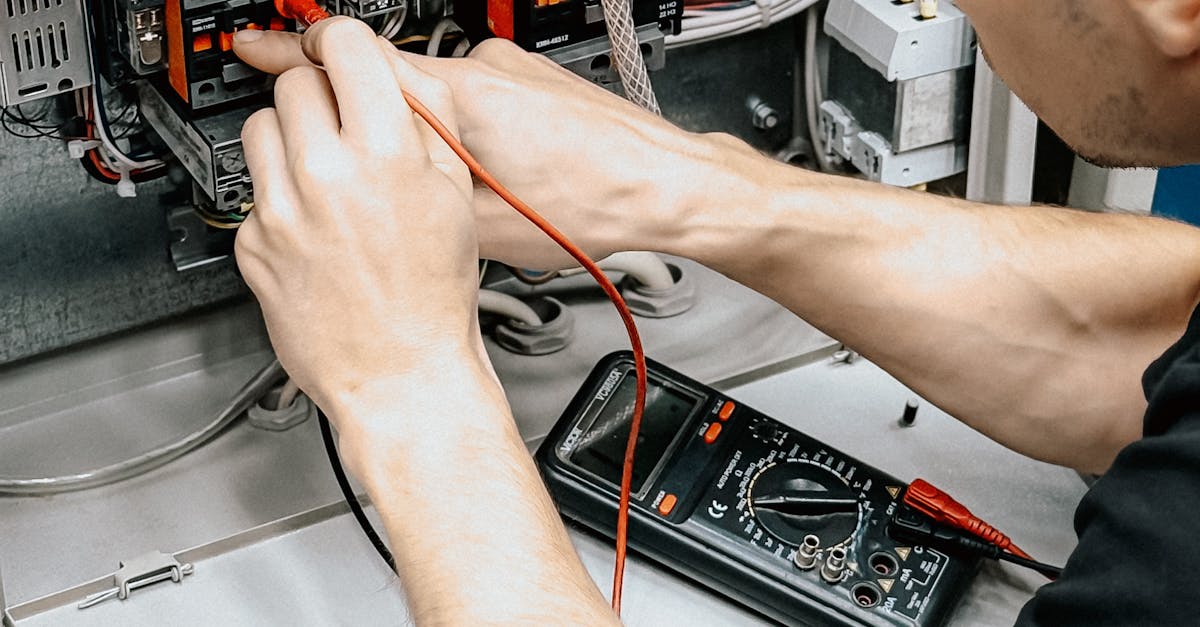
Table Of Contents
Common Risks Associated with Outdated Switchboards
Older switchboards often struggle to meet the demands of modern electrical systems. They may have outdated circuit breakers that are less responsive to overloads or short circuits. This can lead to the risk of overheating and potential electrical fires, posing significant dangers to the household. Additionally, homes with outdated switchboards might not accommodate the increased power requirements of contemporary appliances and technology, resulting in frequent trips or even damaging surges.
Moreover, inadequate protection against electrical faults can lead to electrocution hazards. An ungrounded switchboard increases the risk of electric shock during maintenance or when using electrical devices. Homes with insufficient insulation, rust, or physical damage to the switchboard are particularly vulnerable. It is crucial for homeowners to recognise these risks and consider upgrading to ensure compliance with modern safety standards while enhancing overall electrical reliability.
Identifying Potential Hazards in Your Home
Outdated switchboards can present numerous hazards that often go unnoticed until an incident occurs. Electrical fires, equipment failure, and inefficient energy usage are common issues that arise when the switchboard cannot handle modern electrical loads. Signs of deterioration, such as scorch marks, flickering lights, or frequently tripped circuit breakers, should not be ignored. Identifying these warning signs early can prevent more severe complications down the line.
Regular inspections of electrical systems can reveal potential dangers hidden behind the façade of everyday life. Consider engaging a licensed electrician to evaluate the switchboard and associated wiring. They can assess whether it meets current safety standards and identify any risks that could compromise the safety of your home. Implementing timely assessments can ensure a safer living environment while also reducing the risk of electrical hazards.
Benefits of Upgrading Residential Switchboards
Updating residential switchboards can significantly enhance safety within the home. Older switchboards may not be equipped to handle the electrical demands of modern appliances. This could lead to overheating and potential fire hazards. An upgrade ensures compliance with current safety standards, providing peace of mind for homeowners.
In addition to improved safety, a new switchboard can increase energy efficiency. Modern systems are designed with better technology, which can reduce energy consumption. Homeowners may experience lower electricity bills as a result. Furthermore, upgraded switchboards often come with advanced features like surge protection, ensuring the longevity of connected devices.
Enhancing Safety and Efficiency
Modern switchboards are designed with safety features that significantly reduce the risk of electrical fires and electrocution. Upgrading to contemporary systems can protect homes from overloads, short circuits, and other electrical hazards. Residual Current Devices (RCDs) are now standard in many upgrades, providing an automatic shut-off mechanism that enhances overall safety. Additionally, these updated systems comply with current Australian standards, ensuring that homes meet regulatory requirements.
Efficiency is another crucial advantage of modern switchboards. New designs enable better distribution of electrical loads, leading to improved performance of appliances and lighting. Homeowners may experience reduced energy bills due to enhanced management of electricity consumption. Moreover, adopting energy-efficient technologies often goes hand in hand with switchboard upgrades, contributing to long-term savings and a more sustainable household.
Steps Involved in a Switchboard Upgrade
The first step in upgrading your switchboard typically involves a thorough assessment by a licensed electrician. They will inspect the existing system, identifying any safety concerns and determining the necessary upgrades. This assessment includes evaluating the wiring, circuit breakers, and overall load capacity to ensure the new switchboard meets current safety standards. After this evaluation, a detailed plan can be developed to address any issues while enhancing the system's functionality.
Following the assessment, the actual upgrade process begins with the disconnection of power to ensure safety. The electrician will then remove the outdated switchboard and install the new unit, which may include incorporating modern circuit breakers and safety switches. After installation, a series of tests are conducted to confirm that everything operates correctly. Finally, the area is cleaned up, and the homeowner is briefed on the features of the new switchboard, ensuring they understand its functionality and maintenance needs.
What to Expect During the Upgrade Process
During the upgrade process, a qualified electrician will first assess your existing switchboard to determine the specific requirements for the new installation. This assessment includes checking the current wiring, circuit breakers, and overall condition of the system. The electrician will discuss the most suitable options for your home and provide a detailed quote for the work involved. You may receive suggestions on additional safety features, such as surge protection or RCDs (Residual Current Devices), to enhance your electrical safety.
Once the plans are in place, the electrician will schedule a date for the upgrade. On the day of the installation, you can expect to experience temporary power outages while the old switchboard is replaced with the new one. This process may take several hours depending on the complexity of your system. After the installation is complete, the electrician will test the new switchboard to ensure everything is functioning correctly and up to code. You will receive information about how to operate the new system safely and efficiently before they leave.
FAQS
What are the common risks associated with outdated switchboards?
Outdated switchboards can pose several risks, including electrical fires, circuit overloads, and non-compliance with current safety standards. They may also lack modern safety features, increasing the likelihood of electrical faults.
How can I identify potential hazards in my home's electrical system?
You can identify potential hazards by looking for signs such as frequent circuit breaker trips, flickering lights, burnt smells, or scorch marks around outlets. It's also advisable to have a qualified electrician conduct a thorough inspection.
What are the benefits of upgrading my residential switchboard?
Upgrading your residential switchboard enhances safety, improves electrical efficiency, and allows for better management of power distribution. It also ensures compliance with current safety standards and can increase the overall value of your property.
What safety measures are taken during the switchboard upgrade process?
During the upgrade process, safety measures include turning off the main power supply, using insulated tools, and adhering to all relevant electrical codes and standards. Qualified electricians follow strict safety protocols to prevent any hazards.
How long does a switchboard upgrade typically take?
The duration of a switchboard upgrade can vary depending on the complexity of the installation and the existing electrical system. Generally, most upgrades can be completed within a few hours to a full day.
Related Links
Comparing Different Types of Switchboards for Your HomeUnderstanding the Costs Involved in Switchboard Upgrades
How Switchboard Upgrades Can Improve Energy Efficiency
A Step-by-Step Guide to Switchboard Upgrade Process
Common Signs Your Switchboard Needs an Upgrade