Tips for Preventing Power Outages in Your Local Area
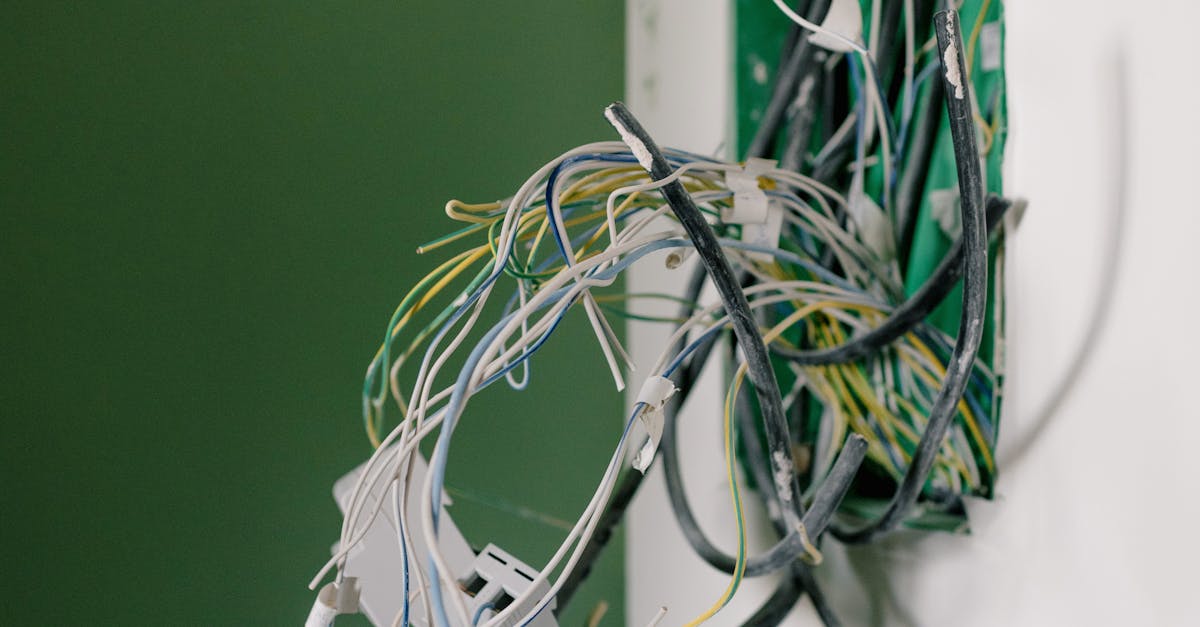
Table Of Contents
Investing in Backup Power Solutions
Power outages can occur unexpectedly, making it essential to have a reliable backup power solution. Investing in generators or uninterruptible power supply (UPS) systems can ensure that your home remains functional during blackouts. Generators come in various types, with options for fuel sources such as petrol, diesel, and natural gas. Selecting the right generator depends on your specific power needs and the size of your property. By having a permanent or portable generator on standby, you can provide electricity to essential appliances, keeping your household running smoothly.
Uninterruptible power supply systems offer another layer of security by providing instant power in case of an outage. They are particularly useful for critical electronics, such as computers and medical devices, preventing data loss and keeping necessary equipment operational. When choosing a UPS, consider the battery capacity and the total wattage required for the devices it will support. This investment not only increases convenience but also enhances safety during unforeseen power disruptions.
Types of Generators for Home Use
When considering backup power solutions, many homeowners opt for portable generators. These units offer flexibility and can be easily moved to different locations as needed. Typically powered by petrol or diesel, they provide a reliable short-term energy source. Users can connect essential appliances directly or utilise extension cords to power multiple devices. Most models come with safety features to protect against overloading, making them a popular choice for temporary power during outages.
Another option is standby generators, which are designed for automatic operation during power failures. These units are permanently installed outside the home and connect directly to the electrical system. They typically run on natural gas or propane, ensuring a continuous power supply without manual intervention. Standby generators are often more powerful than their portable counterparts, capable of running an entire house, which makes them ideal for long-term outages or for homes in areas prone to frequent power interruptions.
Maintaining Electrical Systems
Proper maintenance of electrical systems is essential for ensuring reliable power supply in your home. Regular inspections can help identify potential issues before they escalate into significant problems. Homeowners should check for signs of wear in wiring and connections, ensuring they meet safety standards. It's also important to keep up with any necessary upgrades, particularly in older homes where outdated equipment might not handle current power demands efficiently.
Engaging a licensed electrician for routine check-ups provides peace of mind. Qualified professionals can assess the overall condition of your electrical systems and recommend improvements where needed. Scheduled maintenance can increase the lifespan of your electrical infrastructure. This proactive approach helps in preventing power outages and enhances overall safety within the household.
Regular Inspections and Upkeep
Routine inspections of electrical systems can significantly enhance their reliability. By scheduling these checks, homeowners can identify potential issues before they escalate into serious problems. Engaging a qualified electrician ensures that all components are functioning correctly. Areas to focus on include wiring, circuit breakers, and outlets, which may wear down over time.
Maintaining electrical systems involves not only inspections but also regular upkeep of important equipment. Keeping circuit breakers clear of dust and ensuring that cables are not frayed can prevent unexpected failures. It is wise to replace any outdated components to comply with safety standards. This proactive approach helps sustain efficient energy use and minimise the risk of outages in households.
Supporting Local Renewable Energy
Embracing renewable energy sources can significantly enhance a community's resilience against power outages. By investing in local solar and wind power projects, residents not only reduce their dependence on traditional energy grids but also contribute to a sustainable energy future. Communities can benefit from government incentives aimed at promoting renewable energy, which can lower the initial costs of installation for businesses and households alike.
Incorporating renewable energy systems into local infrastructure creates jobs and stimulates economic growth. As more households adopt solar panels or participate in community wind initiatives, the demand for maintenance and support services increases, fostering local employment opportunities. Building a network of renewable energy resources promotes energy independence, helping to mitigate the impact of unexpected outages while encouraging a cleaner environment.
Benefits of Solar and Wind Power
Solar and wind power offer significant advantages for communities aiming to reduce reliance on traditional energy sources. They provide a sustainable solution that harnesses natural resources. This shift not only leads to decreased greenhouse gas emissions but also promotes energy independence. As these technologies become more accessible, households can invest in solar panels and small wind turbines, benefiting from lower monthly utility bills.
The integration of renewable energy sources contributes to job creation within the local economy. Installation and maintenance of solar and wind systems require skilled labour, fostering employment opportunities in various sectors. Additionally, utilizing these clean energy sources enhances resilience against power outages, ensuring a more reliable energy supply for the community. Embracing renewables leads to a more sustainable future while addressing environmental concerns.
FAQS
What are backup power solutions?
Backup power solutions are alternative energy sources, such as generators or battery systems, that can provide electricity during a power outage.
What types of generators are best for home use?
The best types of generators for home use include portable generators, standby generators, and inverter generators, each offering different benefits depending on your needs.
How often should I have my electrical systems inspected?
It is recommended to have your electrical systems inspected at least once every few years, or more frequently if you notice any issues, to ensure they are in good working order.
What maintenance should I perform on my generator?
Regular maintenance for generators includes checking the oil, replacing filters, testing the battery, and ensuring that it runs properly during monthly tests.
How can supporting local renewable energy help prevent power outages?
Supporting local renewable energy, such as solar and wind power, can contribute to a more reliable energy grid and reduce your area's dependence on traditional power sources, which may help prevent outages.
Related Links
What to Do if Your Power Outage Is ProlongedHow to Safely Handle Power Outages in Stormy Weather
Advantages of Installing a UPS for Outage Preparedness
Signs Your Electrical System Is at Risk of a Power Outage
How to Prepare Your Home for Unexpected Power Outages
The Importance of Backup Generators for Tullamarine Residents
Essential Tools for Homeowners During Power Outages
Step-by-Step Guide to Restore Power After an Outage