The Impact of Ageing Wiring on Electrical Safety Inspections
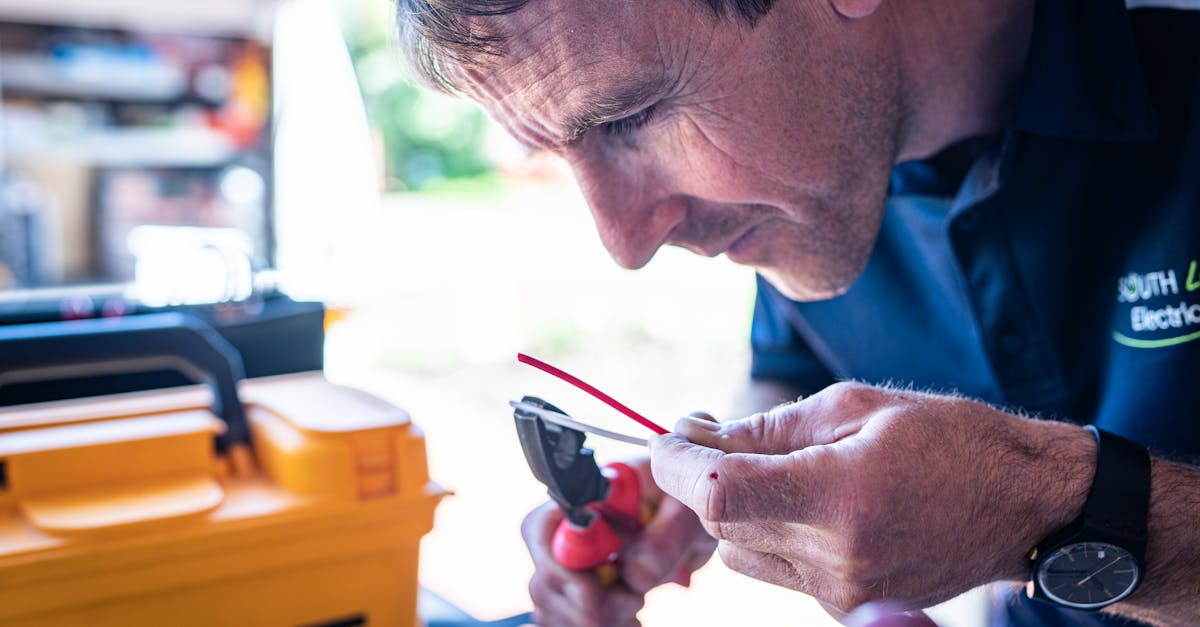
Table Of Contents
Professional Inspection Services
Engaging professional inspection services ensures a thorough examination of your electrical system and helps to identify any safety hazards. Experts in this field possess the knowledge and tools necessary to assess the condition of wiring, circuits, and other critical components. Their experience allows for the detection of issues that might be overlooked by untrained eyes. A detailed report provided post-inspection outlines any required repairs and improvements, giving homeowners a clearer picture of their electrical safety.
Moreover, these professionals adhere to local regulations and industry standards, which helps maintain compliance and reduces potential liabilities. They offer insights into the latest safety practices and technologies, ensuring that homes are not only safe but also efficient. Relying on professional services mitigates the risk of electrical fires, equipment damage, or personal injury. The investment in an inspection can result in significant long-term savings and peace of mind.
What to Expect During an Inspection
During an electrical safety inspection, a qualified professional will begin by assessing the overall condition of the wiring throughout your property. They will look for signs of wear and tear, such as frayed insulation or exposed wires. The inspector may also evaluate the load on the system and check for any outdated components that do not meet current safety standards. This comprehensive approach ensures that all potential hazards are identified early.
Following the visual inspection, the technician may use specialised tools to measure current flow and check for proper grounding. This helps ensure that the electrical system operates efficiently and safely. The inspector will take detailed notes and photos, documenting any issues found during the assessment. After finishing the inspection, they will provide a detailed report outlining their findings and recommendations for necessary repairs or upgrades.
DIY vs. Professional Inspections
Homeowners often consider performing their own electrical inspections to save costs. While some minor visual checks can be done by individuals, the intricacies of electrical systems require a trained eye. Amateur inspections may overlook vital issues such as frayed wires, outdated components, or improper grounding, all of which can pose serious hazards.
Hiring professionals ensures that inspections are thorough and compliant with safety standards. Trained electricians possess the expertise to identify both visible and hidden problems that might not be apparent to the untrained eye. Professional assessments include the use of advanced tools and techniques which enhance the accuracy of the inspection. This level of scrutiny significantly reduces the risk of electrical faults and enhances overall safety within the home.
Risks of Neglecting Professional Help
Homeowners often underestimate the complexities associated with electrical systems, especially when it comes to ageing wiring. This lack of awareness can lead to serious safety hazards, including electrical fires and equipment malfunctions. The absence of regular professional inspections may allow existing issues to escalate unnoticed. Compromised wiring can deteriorate over time, resulting in potentially dangerous conditions that are difficult for the untrained eye to detect.
Relying solely on DIY methods for inspections poses significant risks, as many problems may remain hidden without proper testing equipment. Professionals bring expertise and specialised knowledge to identify subtle complications that could pose risks later on. The financial repercussions of neglecting necessary inspections often far outweigh the costs associated with hiring a qualified electrician. Ensuring electrical safety through expert evaluation not only protects property but also safeguards the well-being of inhabitants and visitors.
Identifying Problematic Wiring Materials
Understanding the types of wiring materials in older structures is crucial for maintaining safety. Many properties built in the mid-20th century still utilise materials that may not meet current electrical standards. For instance, aluminium wiring, while once a popular choice, has fallen out of favour due to its tendency to oxidise, leading to weak connections and increased risk of fire. In addition, cloth-insulated wire, which can deteriorate over time, exposes bare conductors that pose a significant hazard.
Another common issue arises with knob-and-tube wiring, an antiquated system that lacks a grounding conductor. This type of wiring creates potential safety risks, especially in modern homes that demand higher electrical loads. Identifying these problematic materials is essential for homeowners looking to upgrade or repair their electrical systems safely. Engaging a qualified electrician can help assess and replace outdated wiring, ensuring compliance with current safety standards.
Common Types and Their Issues
Many homes built several decades ago may still contain wiring types that pose significant safety risks. Knob-and-tube wiring, prevalent in the early 20th century, lacks grounding and can overheat, leading to electrical fires. Aluminium wiring, often used in the 1970s as a cost-saving measure, is also notorious for connections that loosen over time, creating potential hazards such as arcing and fire.
Another common issue arises with non-metallic sheathed cable, or Romex, particularly if it has been damaged or improperly installed. This type of wiring is susceptible to wear and tear, especially in areas exposed to moisture or pest activity. Additionally, outdated circuit breakers and fuses, which may not meet modern electrical standards, can further compromise home safety by failing to trip under overload conditions.
FAQS
Why is it important to have an electrical safety inspection for ageing wiring?
Electrical safety inspections are crucial for identifying potential hazards in ageing wiring, which can increase the risk of electrical fires, malfunctions, and safety risks. Regular inspections help ensure that your electrical system is safe and compliant with current regulations.
How often should I have my electrical system inspected?
It is generally recommended to have your electrical system inspected at least once every five years, especially if your home has ageing wiring. However, you should schedule inspections more frequently if you notice any signs of wear or malfunction.
What can I expect during an electrical safety inspection?
During an inspection, a qualified electrician will assess your wiring, outlets, and electrical panels. They will check for signs of damage, test the integrity of connections, and ensure that your system meets safety standards and regulations.
Are DIY electrical inspections safe?
While some basic checks can be performed by homeowners, such as checking for visible damage or tripped circuit breakers, DIY inspections are not a substitute for professional assessments. Without the right expertise, you may overlook critical issues that could compromise safety.
What are the risks of neglecting professional electrical inspections?
Neglecting professional inspections can lead to undetected hazards, including electrical fires, shock risks, and expensive repairs down the line. Regular inspections help identify and mitigate these risks, ensuring safety for your home and family.
Related Links
How Often Should You Schedule Electrical Safety Inspections for Your PropertySteps Involved in a Comprehensive Electrical Safety Inspection
Promoting Electrical Safety Through Regular Inspections in Commercial Spaces
The Role of Electrical Safety Inspections in Maintaining Home Insurance Coverage
How Electrical Safety Inspections Can Prevent Major Hazards
Understanding the Legal Requirements for Electrical Safety Inspections in Australia
Common Electrical Hazards Found During Safety Inspections in Tullamarine
Tips for Choosing a Reliable Electrician for Safety Inspections in Tullamarine