The Role of Electrical Safety Inspections in Maintaining Home Insurance Coverage
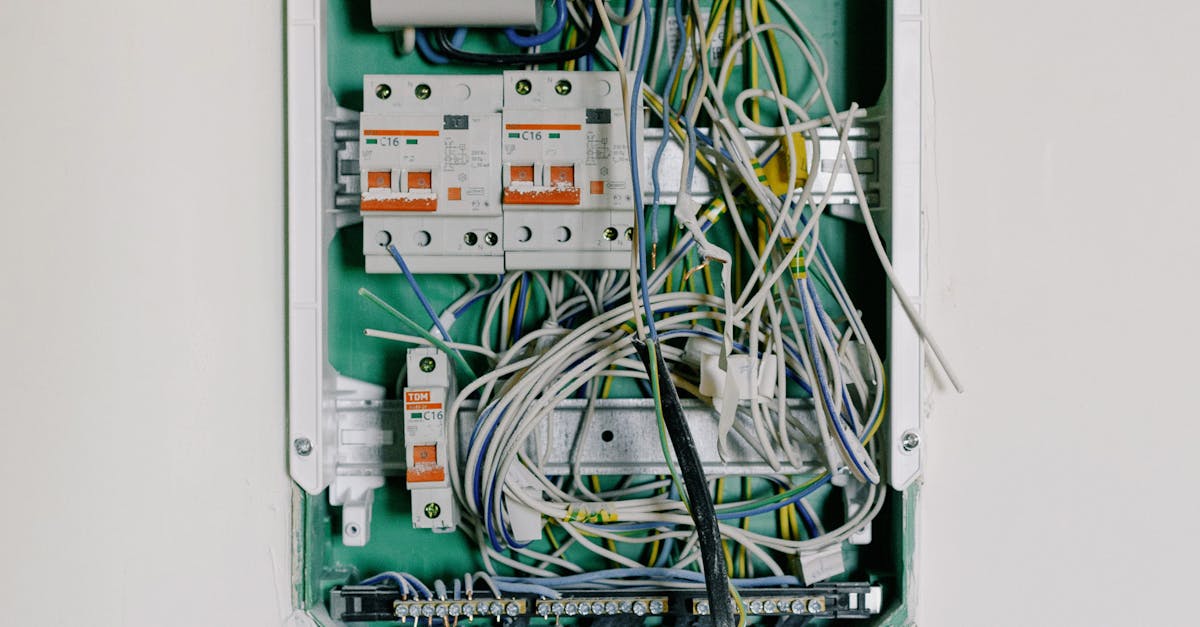
Table Of Contents
Frequency of Electrical Safety Inspections
Regular electrical safety inspections are crucial for ensuring the wellbeing of residents and the integrity of the property. Homeowners are generally encouraged to schedule these inspections at least every five years. However, specific circumstances such as renovations, the installation of new appliances, or changes in government regulations may prompt more frequent checks. Maintaining a consistent inspection schedule can help identify potential hazards early, reducing the risk of electrical failures or dangerous situations.
For older homes, it is advisable to have inspections conducted more often, perhaps every three years, as wiring systems can degrade over time. Additionally, if the home is located in an area prone to severe weather events or if it has a history of electrical issues, more frequent assessments may be necessary. By prioritising these inspections, homeowners can better protect their properties and ensure compliance with insurance requirements, while also gaining peace of mind about their living environment.
Recommended Timelines for Residential Properties
Homeowners are advised to undergo electrical safety inspections at least once every five years. This recommendation aligns with guidelines from various electrical safety authorities and ensures that any underlying issues can be identified and addressed timely. Older properties, or those with a history of electrical issues, may require more frequent inspections to maintain safety and compliance with current standards.
It is also prudent to schedule an inspection before significant renovations or after purchasing a new home. Such proactive measures can uncover hidden hazards and provide peace of mind, knowing that the electrical system is not only functional but also safe and compliant with legislation. Homeowners with tenants in rental properties should consider annual inspections to mitigate risks associated with tenant occupancy.
Common Electrical Hazards Found in Homes
Electrical hazards can easily go unnoticed, yet they present significant risks to homeowners. Outdated wiring is a common issue, often leading to overheating and potential fires. Additionally, overloaded circuits can occur when too many devices are connected, compromising safety. Poorly installed or damaged outlets pose further dangers. These problems often arise from DIY electrical work or neglecting regular maintenance.
Another prevalent hazard is the presence of frayed cords or damaged appliances, which can cause electric shocks or short circuits. Improperly grounded equipment can lead to equipment failure and increased risk of injury. Furthermore, moisture in living areas can create dangerous electrical situations when it interacts with wiring. Identifying these hazards early is vital for ensuring a safe living environment and preserving home insurance coverage.
Identifying Risks Before They Become Issues
Homeowners should be proactive in recognising potential electrical hazards that could lead to greater problems down the line. Routine checks can reveal signs of wear and tear, such as frayed wires or faulty outlets. Regularly examining electrical appliances and ensuring that all devices are properly maintained helps mitigate risks. Even seemingly minor issues can escalate quickly if left unaddressed.
Additionally, being aware of older wiring systems is crucial for identifying possible electrical risks. Many homes, especially those built several decades ago, may still have outdated systems that do not meet current safety standards. Engaging a professional to conduct a thorough evaluation can pinpoint vulnerabilities and ensure the residential wiring is secure. This not only enhances safety but also aligns with home insurance requirements, reducing the likelihood of complications in claims related to electrical failures.
Preparing for an Electrical Safety Inspection
Homeowners should begin preparing for an electrical safety inspection by ensuring that all areas of the property are accessible. Clear any clutter from around electrical panels, outlets, and appliances. This facilitates thorough examination by the inspector. It is also wise to review the home’s electrical history, including past repairs and modifications. Having this information readily available can assist the inspector in identifying potential concerns.
Before the inspection, owners might consider conducting a preliminary review of their electrical systems. Checking for visible signs of wear, such as frayed cords or discoloured outlets, can provide insight into existing issues. Testing the functionality of smoke alarms and circuit breakers ensures they are operating correctly. Document any observed problems to discuss with the inspector. Taking these steps will allow for a more comprehensive assessment and help in addressing any identified risks effectively.
Steps Homeowners Should Take
Homeowners should begin by familiarising themselves with their electrical systems and components. This knowledge enables them to identify any visible signs of wear or damage, such as frayed cords or scorch marks on outlets. Creating a checklist of areas to inspect can help ensure that nothing is overlooked. This proactive approach allows any potential issues to be addressed promptly.
Scheduling the inspection with a qualified electrician is also crucial. Homeowners must research and select an experienced professional who understands local regulations and safety standards. Having all relevant documentation on hand, including previous inspection reports and any home improvement records, can facilitate a smoother process. Clear communication with the electrician about any concerns or unusual occurrences can provide a better understanding of the home's electrical health.
FAQS
How often should I have an electrical safety inspection conducted in my home?
It is generally recommended that residential properties undergo an electrical safety inspection every 3 to 5 years, although more frequent inspections may be necessary for older homes or those with previous electrical issues.
What are some common electrical hazards that inspectors look for during an inspection?
Inspectors typically look for hazards such as outdated wiring, overloaded circuits, faulty outlets, improper grounding, and signs of moisture or corrosion that could affect electrical systems.
How can I prepare my home for an electrical safety inspection?
Homeowners should ensure easy access to electrical panels, outlets, and wiring, clear any clutter around these areas, and review any previous inspection reports or maintenance records that may be relevant.
Will my home insurance coverage be affected if I do not have regular electrical safety inspections?
Yes, most insurance companies require proof of regular electrical safety inspections as part of their policy conditions. Failing to comply could result in reduced coverage or claims being denied.
What should I do if the inspection uncovers electrical hazards in my home?
If hazards are identified, it is essential to address them promptly by hiring a licensed electrician to remediate the issues to ensure safety and maintain your home insurance coverage.
Related Links
Steps Involved in a Comprehensive Electrical Safety InspectionHow Electrical Safety Inspections Can Prevent Major Hazards
Promoting Electrical Safety Through Regular Inspections in Commercial Spaces
How Often Should You Schedule Electrical Safety Inspections for Your Property
The Impact of Ageing Wiring on Electrical Safety Inspections
Understanding the Legal Requirements for Electrical Safety Inspections in Australia
Common Electrical Hazards Found During Safety Inspections in Tullamarine
Tips for Choosing a Reliable Electrician for Safety Inspections in Tullamarine